
SHIPPING INSIGHTS
Shipping &
Commodity Flows:
A Changing Horizon
How vessel movements, freight conditions, and
evolving cargo flows are shaping the movement
of commodities across global markets.
The Global Shipping Landscape Today
The shipping industry operates within a constantly changing environment shaped by vessel availability, cargo volumes, fuel costs, and changing patterns of demand. Different vessel segments, from bulk carriers to container ships and tankers, serve distinct roles in moving commodities between producing and consuming regions.
For businesses involved in international commodity trade, understanding these conditions provides useful context when assessing transportation options, timing cargo movements, and responding to changes in the shipping environment.

Key Commodities in Focus
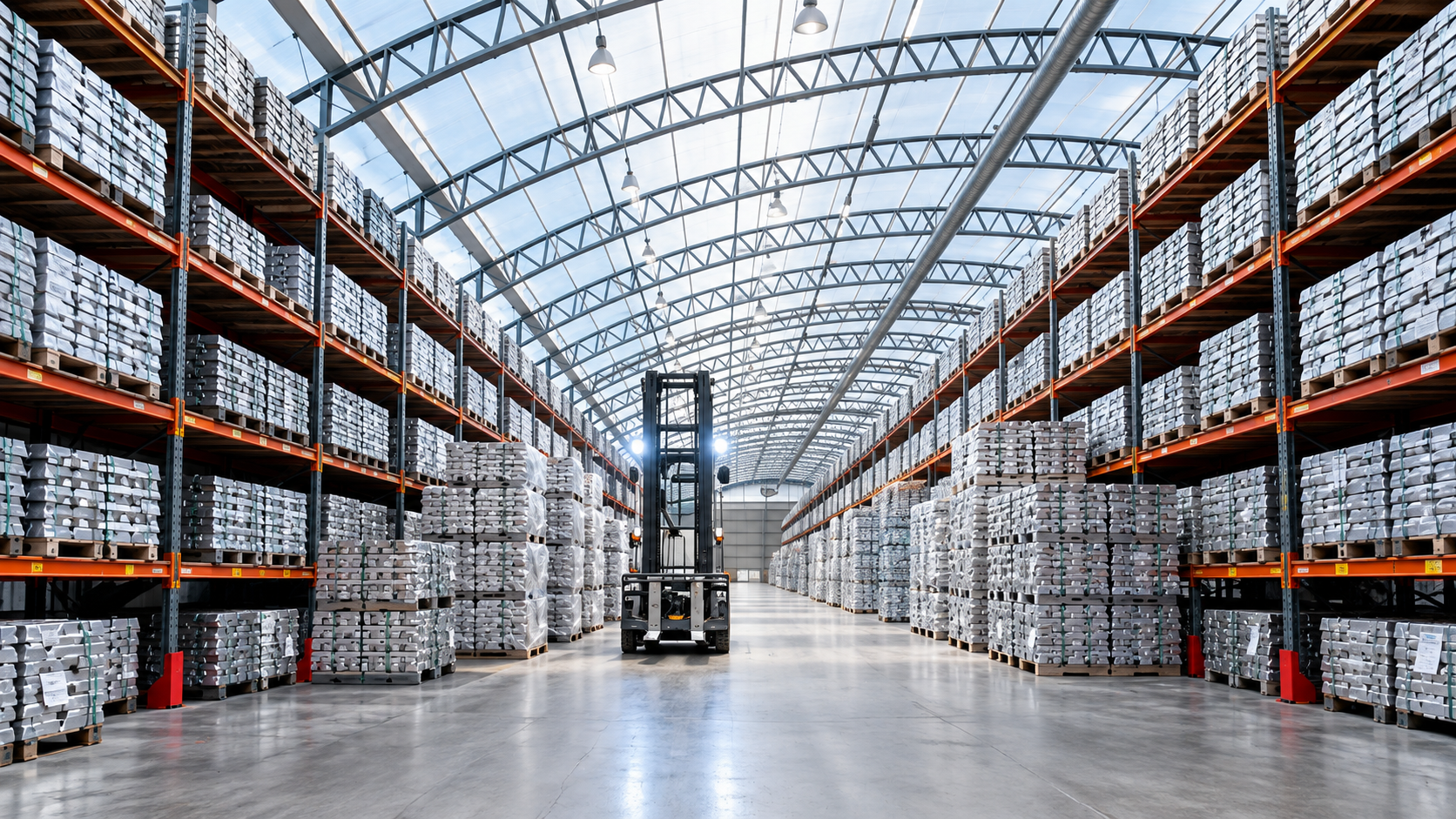
Agricultural products, metals, energy commodities, and industrial materials each create different requirements for transportation and vessel capacity. Cargo characteristics, shipment volumes, seasonality, loading requirements, and destination markets can all influence how commodities are moved.
These differences make commodity-specific shipping knowledge important when planning movements and understanding the conditions that can affect availability, freight costs, and delivery schedules.
Trade Routes and Shipping Corridors
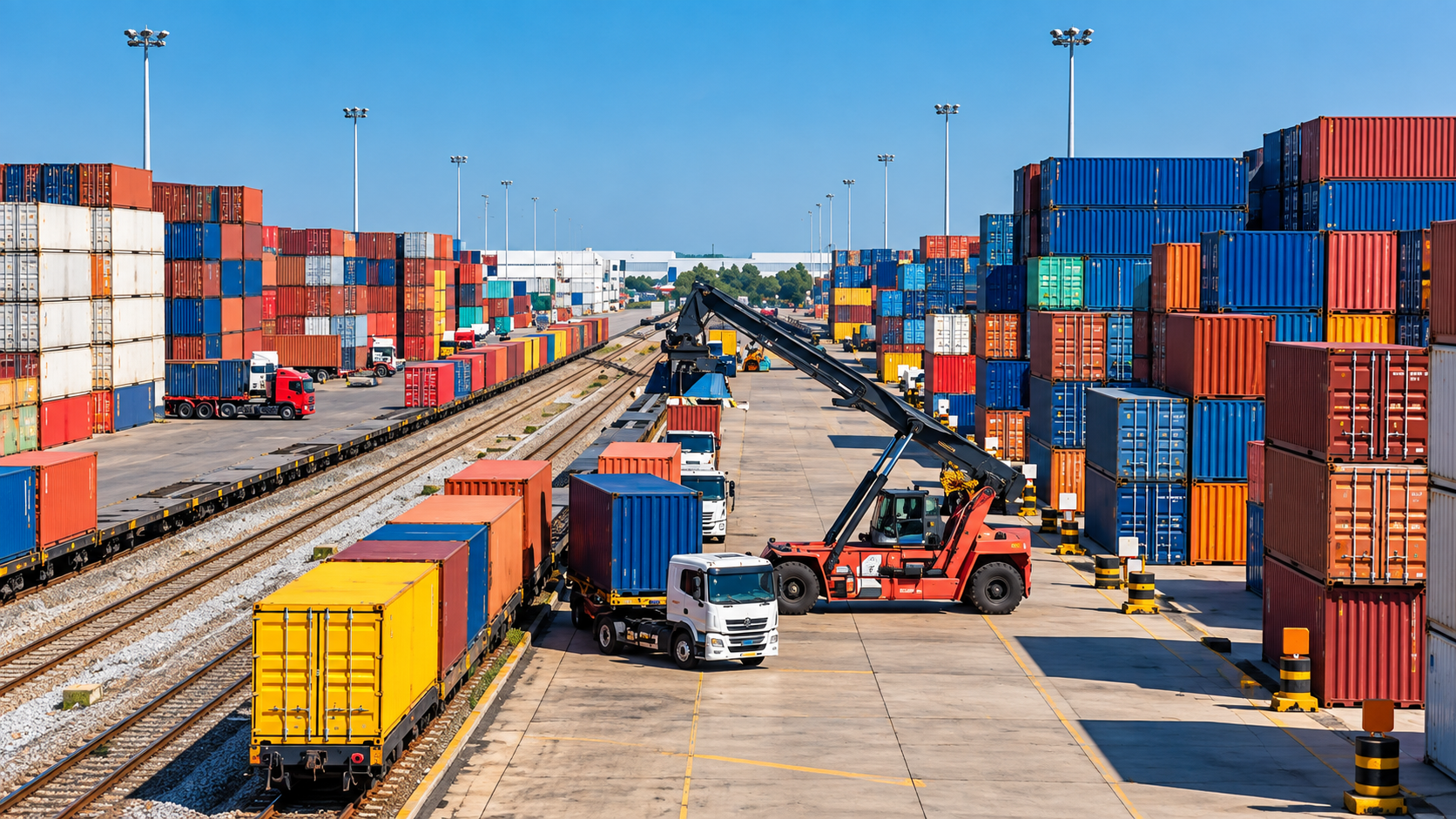
Major maritime corridors connect producing regions with the markets where commodities are consumed. The importance of each route can change as cargo volumes, infrastructure, regional demand, and commercial activity develop.
For commodity traders, following these movements can provide greater visibility into transportation conditions and help identify alternative routes or emerging connections when established patterns change.

Freight Market Trends
Freight markets respond to a combination of factors, including cargo demand, available vessel capacity, fuel costs, port conditions, seasonal activity, and broader changes in trade volumes.
These factors can influence the cost and timing of moving commodities from one market to another. Understanding the relationship between cargo demand and shipping capacity provides useful perspective when planning shipments and evaluating transportation conditions.

Outlook and Opportunities
The movement of commodities will continue to be influenced by changes in consumption, production, vessel capacity, and the development of maritime infrastructure. As markets evolve, shipping networks will need to respond to new cargo requirements and changing patterns of demand.
For businesses active in commodity trade, maintaining visibility across freight conditions and vessel availability can support better planning and more informed decisions.
The ability to understand how commodities, vessels, and shipping markets interact will remain an important part of navigating international trade.