SUPPLY CHAIN

From Origin to Destination

How sourcing, storage, distribution, and coordination
connect commodities from origin to final destination.

The Journey Begins at Origin

Every supply chain begins with the point where a commodity is produced, sourced, or made available for trade. At this stage, decisions around suppliers, production volumes, quality, and availability establish the foundation for everything that follows.

For commodity businesses, understanding the conditions at origin provides important context for planning purchases and coordinating the movement of goods toward their next destination.

From Source to Storage

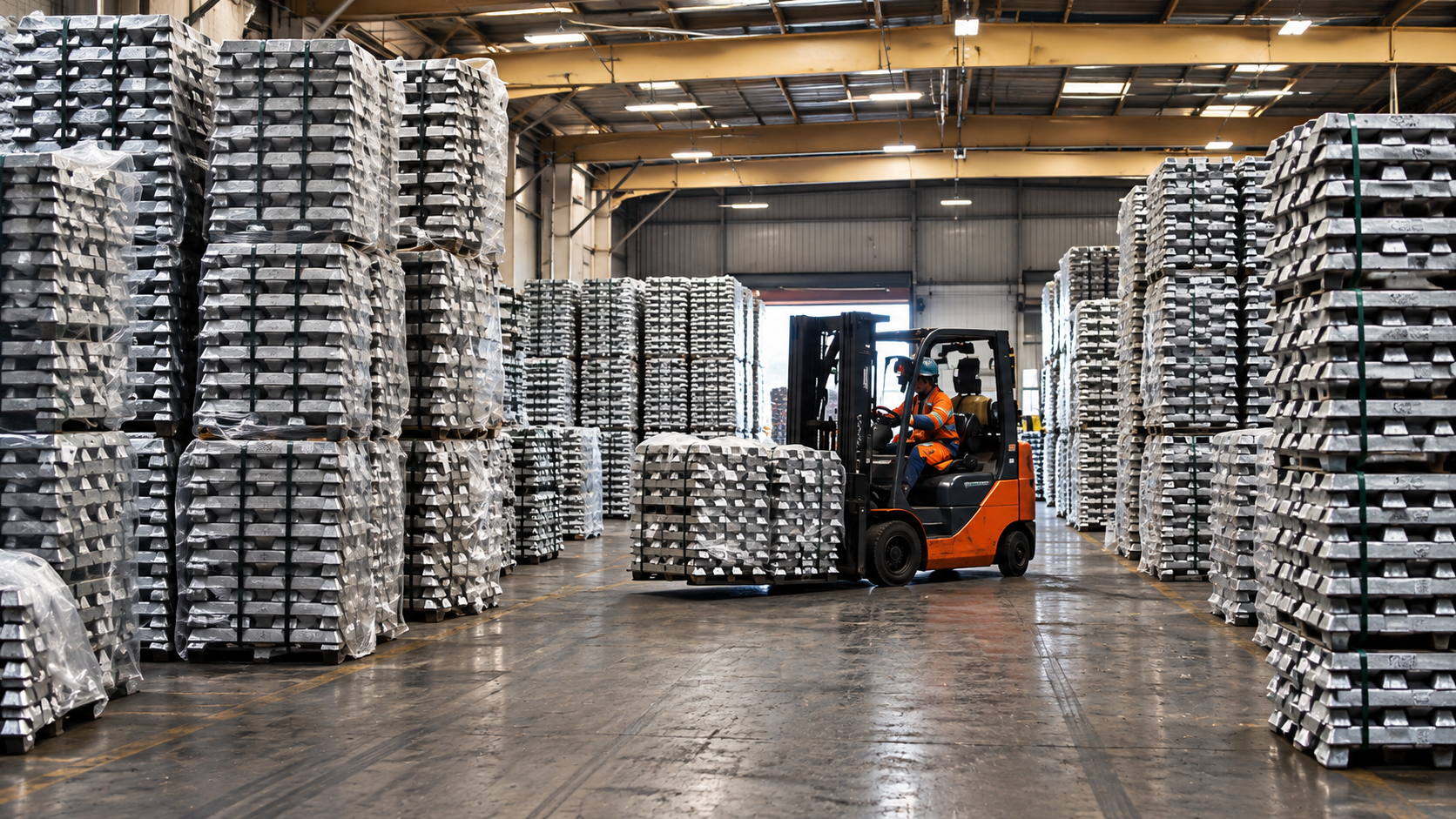
Once commodities leave their point of origin, storage can become an important part of the supply chain. Warehouses, terminals, and distribution facilities provide space for goods to be received, inspected, handled, and prepared for onward movement.

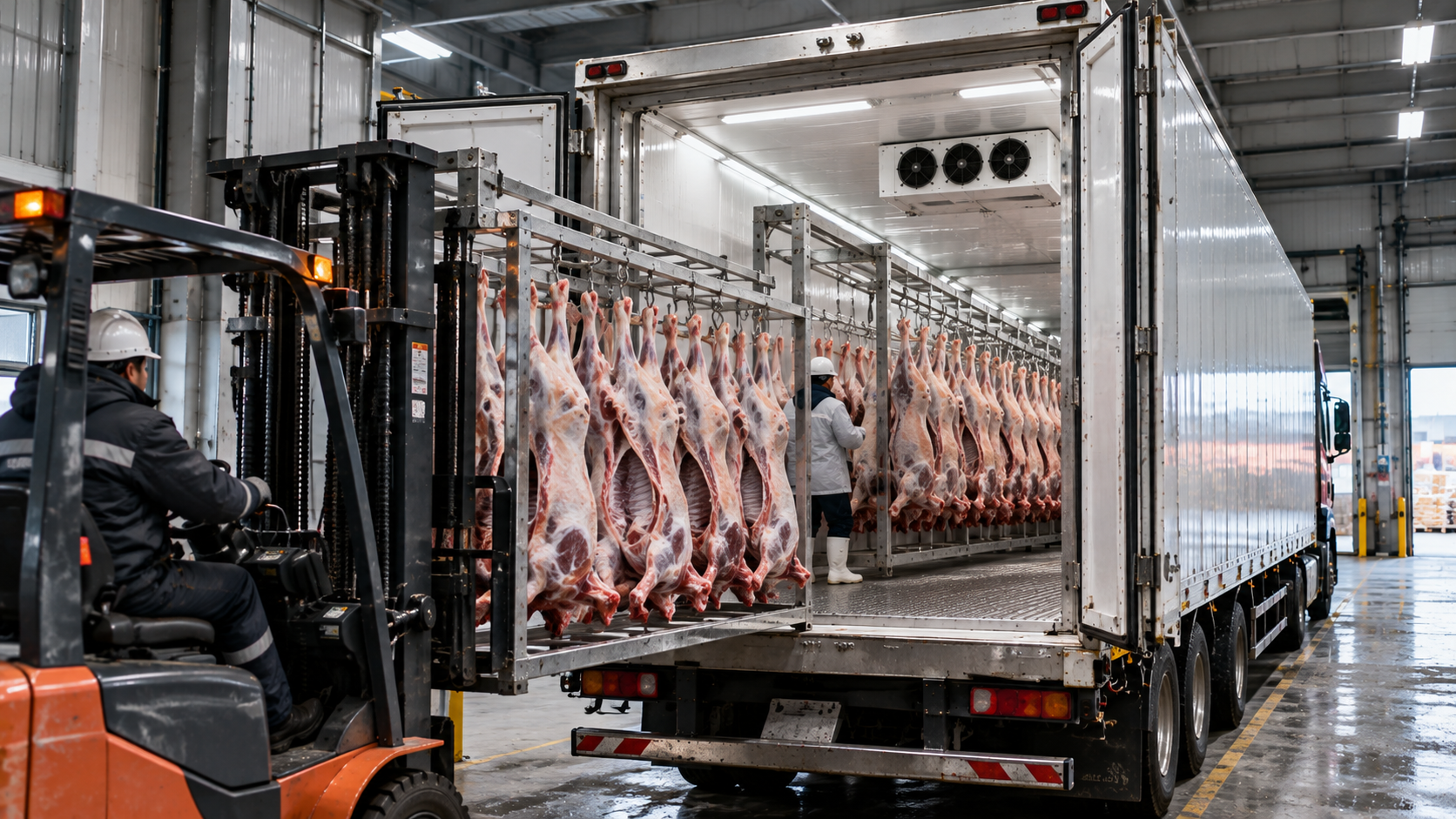
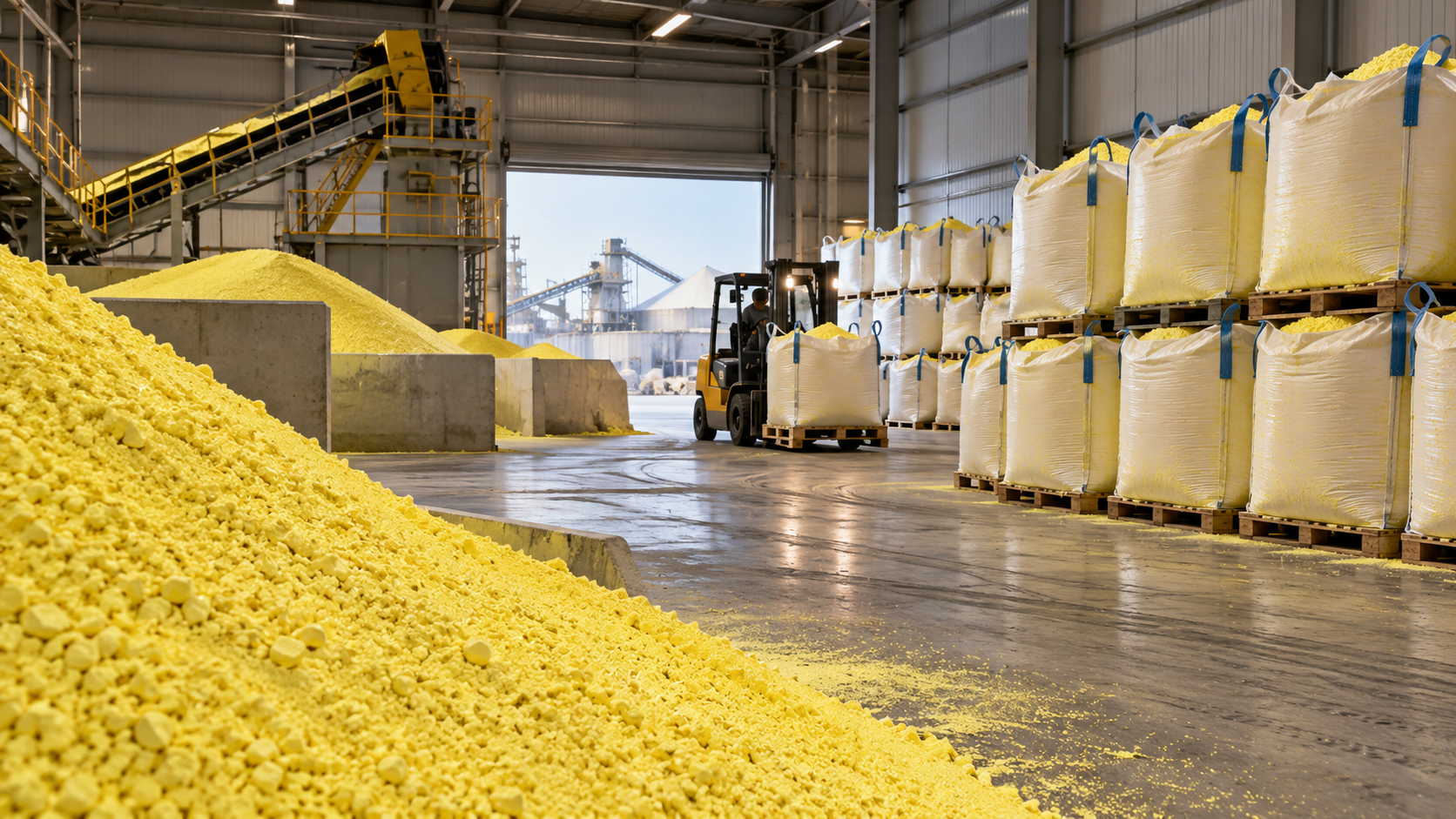
Storage requirements vary considerably depending on the commodity. Metals, agricultural products, industrial materials, and other goods each require different approaches to handling and organization.

Managing the Flow

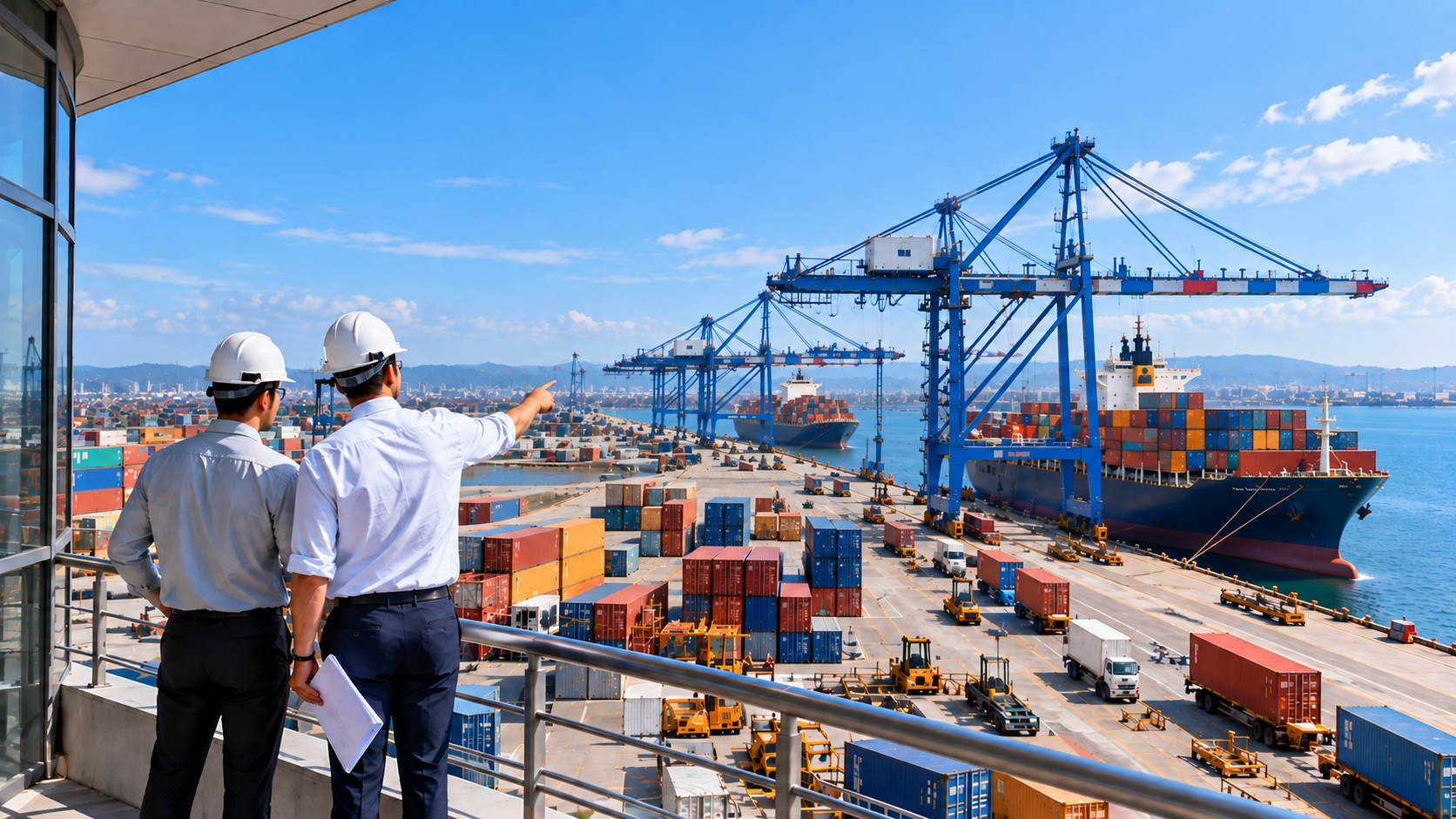
Moving commodities efficiently requires coordination between multiple stages of the supply chain. Purchasing, storage, transportation, documentation, and delivery schedules all need to work together to keep goods moving according to plan.

Small changes at one stage can affect the stages that follow. A delayed delivery, limited storage capacity, or change in availability can create pressure elsewhere in the network.

Effective coordination helps businesses respond to these changes while maintaining continuity across the supply chain.

Visibility Along the Way

A supply chain depends not only on physical movement but also on the information connecting each stage.

Visibility into inventory, orders, delivery schedules, and product locations can help businesses understand what is happening across the network and respond when conditions change.

Better information can support more accurate planning and improve coordination between suppliers, storage facilities, transport providers, and customers.

Looking Ahead

Supply chains will continue to evolve as businesses respond to changing demand, new sourcing opportunities, infrastructure development, and shifting distribution patterns.

Greater visibility across procurement, inventory, storage, and delivery can help businesses understand how individual decisions affect the wider supply network.

For companies operating across international commodity markets, connecting these different stages provides a clearer perspective on how goods move and where new opportunities may emerge.