TRADE & LOGISTICS

Trade & Logistics:
From Signal to Perspective

How global trade flows, logistics networks, and evolving routes
are reshaping markets and creating new opportunities.

The Changing Shape
of Global Trade

Global trade is evolving as markets, supply sources, and demand patterns continue to shift. Businesses are increasingly looking beyond traditional routes, creating new connections between producers, trading hubs, and end markets.

For commodity flows, these changes can influence everything from sourcing decisions to transportation and delivery. Understanding how these networks are changing provides a clearer view of where trade is moving next.

From Ports to Markets

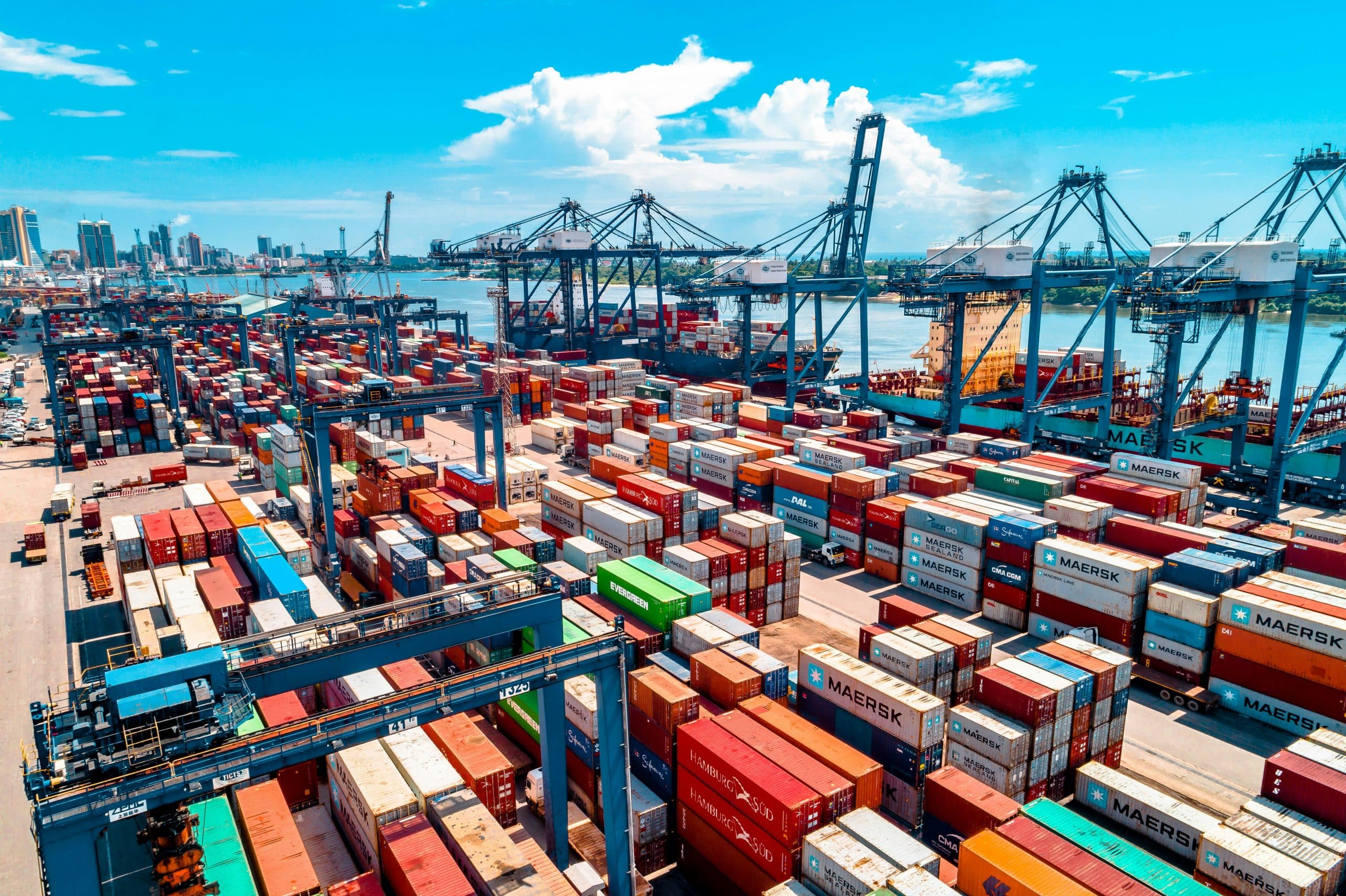
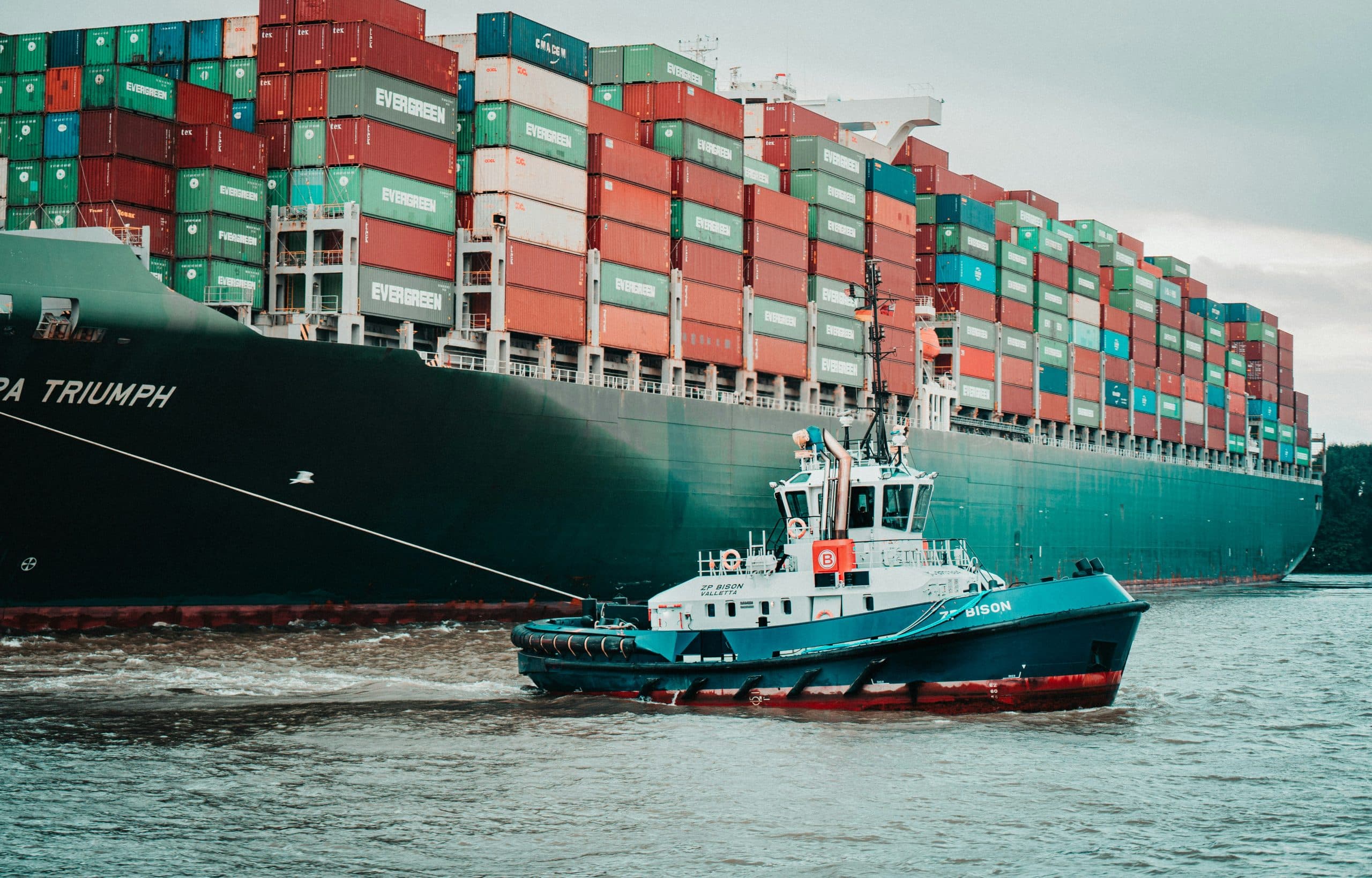
Ports are more than points of departure and arrival; they are critical links between producers, traders, and global markets. Their capacity, connectivity, and efficiency can directly influence how smoothly commodities move across regions.

As trade patterns evolve, well-connected ports and reliable logistics networks become increasingly important in keeping supply chains moving and markets connected.

Why Logistics Matters

Efficient logistics connects supply with demand, helping commodities move reliably from origin to destination. Timing, transportation, storage, and coordination all play an important role in maintaining smooth trade flows.

When these elements work together, businesses can respond more effectively to changing market conditions while keeping supply chains flexible and dependable.

Routes, Risk and Resilience

Global trade routes can be influenced by changing market conditions, infrastructure constraints, weather, and unexpected disruptions. Building flexibility into sourcing and transportation helps businesses respond when established routes are challenged.

A resilient supply chain is not about avoiding every disruption, but about having the visibility, alternatives, and coordination needed to adapt while keeping trade moving.

What Comes Next

The future of global trade will continue to be shaped by changing demand, evolving trade routes, and increasingly connected supply networks. Greater visibility and flexibility will help businesses navigate these shifts and respond to new opportunities.

As markets continue to move, understanding the connections between trade, logistics, and demand will remain essential to keeping commodities flowing efficiently across borders.